How I Practice
I am a relational therapist at heart, which means I pay close attention to the patterns that emerge between us in the room. This is because I believe the therapeutic relationship serves as a safe and immediate space where old, unconscious patterns often resurface. By focusing on these in-the-moment dynamics, we can gain immediate insight into how they play out in your life outside of the room. This relational modality helps to make insights tangible, informing change in how you connect with both others and yourself.
I also consider the bigger picture of your life, as I believe your experiences are deeply shaped by the conditions and contexts around you. I approach our work through a biopsychosocial lens, looking beyond immediate symptoms to consider the complex interplay of biological (such as health or genetics), psychological (thoughts and emotions), and social (culture, environment, and relationships) factors that influence your overall well-being. This perspective is fundamental because it reminds us that we are a response to a system, not separate from it.
Over time, I have found that specific frameworks work well to conceptualise behaviours, habits, and ways of being. While I tailor my approach to your unique needs, I often draw from:
Compassion Focused Therapy (CFT): Understanding how we oscillate between threat and drive systems, and learning to cultivate a soothing system to reduce self-criticism.
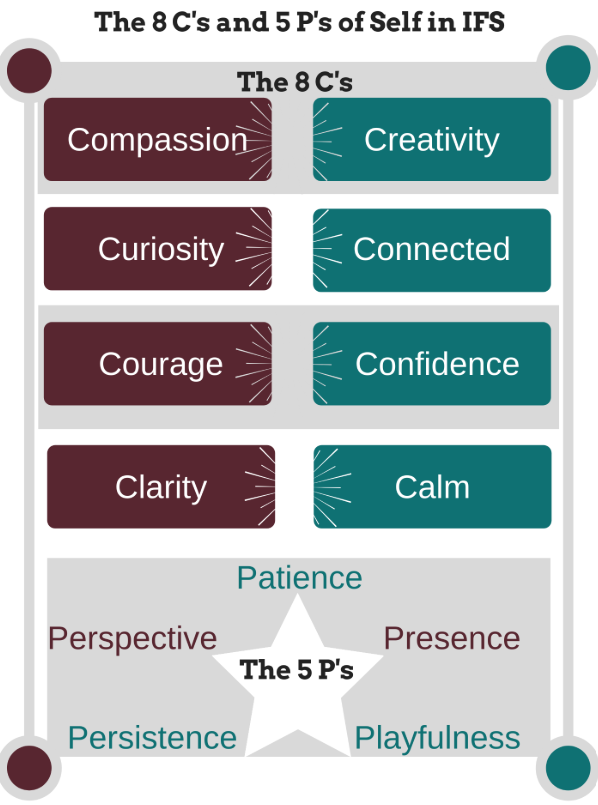
Parts Work: Exploring the different parts of your personality and how they work together, or conflict, to protect you.
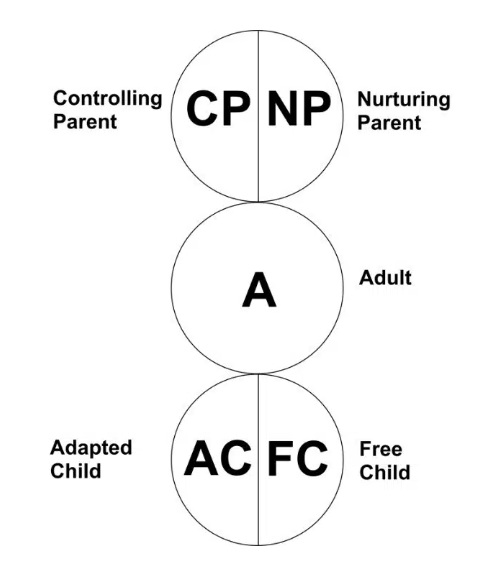
Transactional Analysis (TA) & Ego States: Analysing how we communicate and which state (Parent, Adult, or Child) we are operating from in our relationships.
Cognitive Behavioural Therapy (CBT) Principles: While I am not officially trained in CBT, I draw on its practical tools and framework when helpful to assist with goal-setting and managing day-to-day habits.