Starting this November, I am offering a limited number of spaces for couples at a reduced rate. I am currently in the final stages of completing my Working With Couples Training, and these dedicated sessions will help me fulfil my practical requirements. Please note: Because of the physical size of my office, all sessions will be conducted online. Email me directly if you and your partner(s) are interested.


Hello, I’m Sergio. I am a qualified psychotherapist in London, offering sessions in-person and online. I am currently undergoing further training in psychosexual and couples therapy.
We often learn from a very young age that the price of maintaining a connection with others is to prune parts of ourselves away whilst strengthening others. We might learn that our needs, our desires, pleasures, joy, or even anger and boundaries must go just to keep those around us close. Even worse, this can begin so early on that we may not even have had a chance to know ourselves before we began adapting.
While these strategies helped us survive (and there should be space to honour these creative adaptations), those shunned parts, and the ways we learned to relate to them, stay with us, eventually resurfacing in the most important areas of life: sex, intimacy, and relationships. They show up in sometimes confusing and debilitating ways. Relationally, this can manifest as a constant fear of rejection, a tendency to people-please at the expense of your own boundaries, or alternating between craving closeness and pulling away when things feel too intimate. Sexually, it might look like sexual dysfunction, fluctuating desire, or a deep-seated shame regarding our sexual interests. It can also express itself in compulsive patterns, such as problematic pornography use, compulsive sexual behaviour, or the misuse of substances, and sometimes manifests as depression, fear, or a disconnect between our body and core identity. Ultimately, I believe these behaviours are not things to be fixed, but rather protective parts of ourselves that are waiting to be understood and integrated.
Learning how and why these parts, behaviours, thoughts, and/or dynamics are showing up now, is an integral part of the work I undertake with my clients. Given my core training is integrative, I draw on modalities that I have found consistently effective to explore this: Parts Work (like Internal Family Systems) and Somatic Trauma Therapy for processing deep memories and trauma; structured approaches taken from Cognitive Behavioural Therapy (CBT) for practical tools and goal-setting; and Attachment theory and relational work (focusing on our connection) to reveal deeper relational patterns to create insight and lasting change. My work is grounded in specialist psychosexual training (still ongoing) with the Contemporary Institute of Clinical Sexology and from my experience in the NHS at 56 Dean Street.
I work with a wide range of individuals and, from November, couples and multi-partner relationships. This includes people who are LGBTQIA+, heterosexual, non-binary, neurodiverse, and those practising non-monogamy or polyamory.
Therapy with me is not about fixing. It is about understanding your reasons, feelings, and behaviours. Once we understand them, you can decide what serves you best.
Qualifications
Contemporary Institute of Clinical Sexology
Diploma in Psychosexual and Relationship Therapy (In Training)
Somatic Trauma Therapy training with Babette Rothschild (In Training)
The Awareness Centre
Diploma in Integrative Counselling and Psychotherapy
Regent’s University
Certificate in Counselling and Psychotherapy

Areas I am passionate about
-
Learn more here.
Issues with intimacy and physical function can feel deeply isolating and often impact your self-esteem. These difficulties frequently stem from a combination of past conditioning, stress, or a disconnection between mind and body.Where would we start? Typically, therapy can begin by exploring the immediate physical and emotional factors affecting your sexual well-being.
And then? From there, the focus can often naturally shift toward uncovering the core beliefs and somatic blocks that influence your physical experience.
-
Navigating conflict, shifting dynamics, or unconventional structures can trigger intense vulnerability and fear of rejection. These challenges usually arise from early attachment styles or unhelpful societal pressure.
Where would we start? Typically, therapy can begin by exploring your current communication and intimacy blocks.
And then? It can be valuable to transition into analysing the foundational attachment dynamics and behavioural loops that shape how you relate to partners.
-
Questioning or expressing who you are can bring up incredible confusion and friction with the world around you. This struggle often comes from navigating deeply internalised societal expectations and the pressure to conform.
Where would we start? Typically, therapy can begin by exploring your current feelings around your identity and self-expression.
And then? A possible next step frequently involves unpicking the systemic pressures and internalised conditioning established by your early (and present) environment.
-
Managing the overlap of substance use and sex can quickly become overwhelming and blur personal boundaries. This dynamic often starts as a way to find connection, escape discomfort, or cope with underlying shame.
Where would we start? Typically, therapy can begin by exploring the immediate triggers and safety of your sexual experiences. This may be in partnership with other agencies for support.
And then? This groundwork makes it easier to later trace the underlying emotional voids and relational history driving the need for substances.
-
Feeling like you have lost control over your behaviours can create a heavy cycle of guilt, secrecy, and self-blame. This pattern is typically a protective mechanism developed to numb painful feelings or manage chronic stress.
Where would we start? Typically, therapy can begin by exploring the cycles of out-of-control behaviour and developing immediate management strategies.
And then? Once stability is established, the work can safely progress into investigating the root emotional injuries and belief systems that sustain the compulsion.
-
Dealing with stigma, safety concerns, and the emotional labour of the industry can place a massive strain on your life and relationships. These difficulties are usually rooted in societal prejudice and the pressure of compartmentalising work from personal life.
Where would we start? Typically, therapy can begin by exploring the immediate professional and personal pressures you face.
And then? Clients often find clarity by subsequently examining how these unique environmental demands interact with their personal boundaries, values, and identity.
-
When viewing habits start to conflict with your real-world connections, it can lead to frustration and a sense of detachment. This reliance often develops as an accessible coping strategy for boredom, loneliness, or relational anxiety and/or trauma.
Where would we start? Typically, therapy can begin by exploring your current usage patterns and identifying practical containment tools.
And then? After addressing the immediate habit, we can look closely at the underlying intimacy deficits or anxiety you might be attempting to soothe.
-
Fearing judgment or misunderstanding from others can make it difficult to fully accept and enjoy your desires. This anxiety often originates from cultural taboos and a lack of affirming spaces to process your interests. Also from a lack of knowledge about sexual fantasies.
Where would we start? Typically, therapy can begin by exploring your specific desires and any immediate internal conflicts.
And then? This grounds the process, allowing us to safely unpack any inherited cultural shame or familial conditioning without pressure.
-
Holding onto desires that conflict with your personal morals or logic can cause intense internal conflict and shame. This distress frequently stems from early moral conditioning or a fear of what these thoughts might mean about you.
Where would we start? Typically, therapy can begin by exploring the specific thoughts or fantasies causing confusion.
And then? The collaborative aim is to ideally separate your intrinsic desires from the critical internal voices and moral rules that generate guilt.
-
Findom dynamics can spiral rapidly, leading to severe financial strain and a loss of personal autonomy. This distress usually traces back to complex power dynamics, underlying psychological vulnerabilities, or compulsive impulses.
Where would we start? Typically, therapy can begin by exploring the immediate financial and emotional boundaries being breached and ways of managing this.
And then? We can then effectively dissect the broader themes of power, control, self-worth, and validation that fuel the dynamic.
-
Finding yourself stuck in the same unhelpful relationship dynamics over and over can feel exhausting and demoralising. These cycles are almost always rooted in early childhood experiences and learned survival strategies.
Where would we start? Typically, therapy can begin by exploring your current recurring relationship conflicts.
And then? Using this baseline allows us to map out your early childhood programming and the adaptive survival strategies you continue to deploy.
-
Living with a persistent heavy cloud or thoughts of ending your life makes the simplest daily tasks feel impossible. These states often develop when your emotional system becomes completely overwhelmed by historic pain, current burnout, or trapped anger.
Where would we start? Typically, therapy can begin by exploring your immediate safety and the weight of your low mood.
And then? From there, we work downward to uncover the stored emotional exhaustion, boundary failures, or unexpressed anger keeping you stuck.
-
It is easy to feel trapped by rigid, negative labels and histories that define who you are. These limiting narratives are usually formed by internalising the critical voices of parents, institutions, or difficult past events.
Where would we start? Typically, therapy can begin by exploring the dominant, restrictive stories you currently hold about yourself.
And then? We then work collaboratively to deconstruct these external perspectives, allowing you to author a more accurate and autonomous version of your history.
-
Trying to live up to conflicting ideas of what it means to be a man can cause a deep sense of alienation and emotional numbness. This struggle is often rooted in rigid cultural conditioning and a lack of space to integrate different parts of your psyche.
Where would we start? Typically, therapy can begin by exploring how societal expectations impact your current sense of self.
And then? We can then utilise archetypal frameworks to map out, balance, and integrate the fragmented parts of your psychological makeup.
FAQ
-
Trauma can leave you feeling constantly disconnected from your body or stuck in a state of high alert. This happens because the nervous system holds onto past overwhelming events, storing them as physical tension long after the threat has passed. While regular embodied practices focus broadly on tuning into everyday bodily sensations and movement, somatic trauma therapy specifically targets severe clinical symptoms like intense flashbacks, nightmares, intrusive thoughts, and hyper or hypo states of arousal. While there is plenty of overlap between the two approaches, somatic trauma therapy is a more specialised intervention for a dysregulated nervous system. This can be intense work, which is why it is often recommended that you have sufficient space in your life to process it. I am able to work with this presentation, but please note that I am not yet fully trained in this specific modality. More information will be available on this page once my qualifications are complete, as I am still in training.
Where would we start? Typically, therapy can begin by exploring how your body currently tracks safety and threat, helping you establish a secure physical baseline.
And then? This safely paves the way for processing the specific frozen memories and incomplete defensive responses held in your physiology, moving beyond general body awareness into targeted trauma resolution.
-
I believe your kinks and fantasies are rarely random quirks; they are often a creative, sophisticated attempt by your unconscious mind to bring your most vulnerable parts into a relationship where they can be safely held, witnessed, and integrated. When certain desires or repetitive dynamics trigger intense psychological tension or confusion, it is usually because early childhood beliefs or suppressed emotional needs have retreated into your shadow. Erotic Shadow Work uses Jungian depth psychology to examine the symbolic elements of your fantasies, kinks, and relational dynamics to uncover rich information about your early learned beliefs and current attitudes toward sex, intimacy, and relationships.
Where would we start? Typically, therapy can begin by exploring the specific historical narratives, somatic needs, and relational longings your psyche is attempting to express through the literal actions of your fantasies.
And then? From there, we work collaboratively to consciously reclaim the vital psychic energy, disowned power, and vulnerability locked within those desires, allowing you to dismantle performance anxiety, resolve destructive behavioural patterns, and step into a state of authentic wholeness.

Free Resources
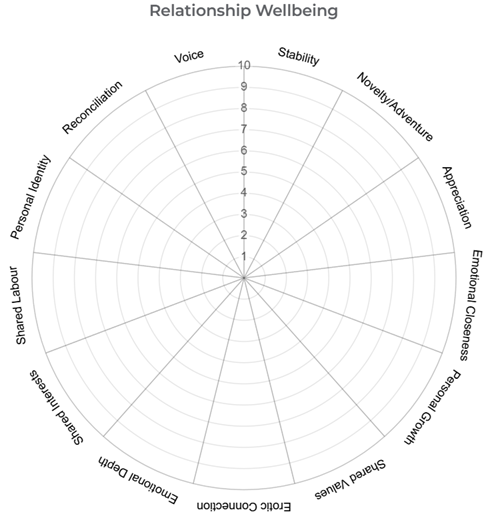
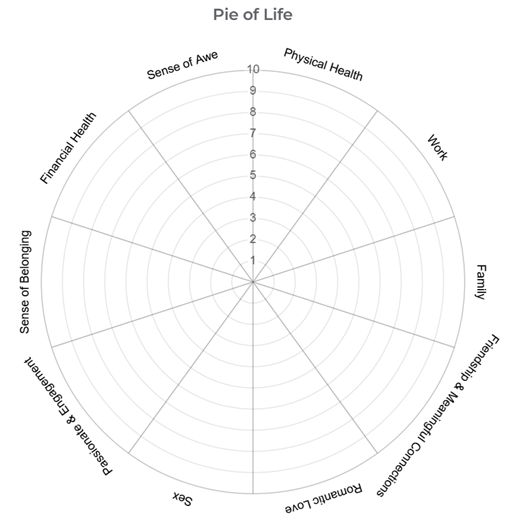
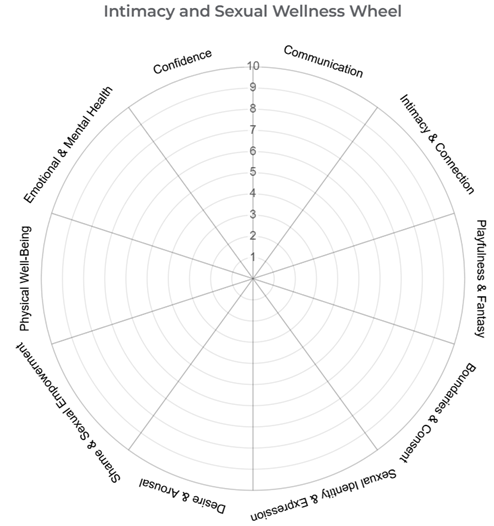
Often, when certain core needs aren’t being met, we can slide into tricky habits or behaviours without even realising it. That’s why I’ve created these free, interactive tools: to help you figure out which parts of your relationship, sexual connection, or general life might be feeling a little neglected.
When you finish an assessment, the results are sent to me automatically. I will never contact you. This process is entirely for your own self-reflection, and you are free to use these maps however you like. I will say that I’m here to explore your results together if you choose, but the next step is completely up to you. You can find supporting documents and extra resources here.

Location
Cannon St, EC4N 6NP
(2 min walk from Bank/Monument Station;
1 min walk from Cannon Street Station)