Welcome to the Kink & BDSM Library
As a qualified psychotherapist, I created this space to offer clear, compassionate, and evidence informed understanding of human sexuality. I treat kinks, fetishes, and alternative intimacy dynamics as unique, meaningful, and creative ways your mind and body seek pleasure, emotional catharsis, and relational connection.
Below, you will find an expanding collection of FAQs and working models covering a wide spectrum of erotic play. Each entry attempts to combine clinical theory, peer reviewed research, and sex positive perspectives. Hopefully this information will help you stop pathologising your desires and start owning, communicating, and safely integrating them into your life.
Foundational
Specific BDSM Practices
BDSM Safety Models
-
SSC stands for Safe, Sane, and Consensual. Coined in the 1980s, it served as the foundational ethical framework for the modern BDSM and kink community. It established a clear boundary between consensual kink practices and non-consensual abuse.
The three components break down as follows:
Safe: The activities should minimise the risk of real, permanent physical or psychological harm.
Sane: All participants must engage in a rational, sober state of mind, fully capable of making sound decisions.
Consensual: Every action occurs with the explicit, informed, and ongoing agreement of everyone involved.
When is SSC best applied?
SSC is an ideal baseline for newcomers to kink, as well as for low-to-moderate risk activities such as light impact play, sensory deprivation, or introductory power exchange. It provides a simple, unmistakable boundary that helps partners establish mutual trust and clear expectations.
-
RACK stands for Risk-Aware Consensual Kink. Developed in the 1990s as an alternative to SSC, RACK emerged because many experienced practitioners recognised that certain kink activities can never be rendered 100% "safe".
Rather than promising absolute safety, RACK shifts the focus to informed consent and harm reduction:
Risk-Aware: Participants explicitly research, acknowledge, and accept the inherent physical, emotional, or psychological risks of an activity (such as rope bondage, heavy impact, edge play, or breath control).
Consensual: Knowing those specific risks, all parties make an informed, voluntary decision to proceed.
Kink: The dynamic is actively chosen as a valid form of adult play and expression.
When is RACK best applied?
RACK is designed for advanced or inherently higher-risk dynamics where absolute physical safety cannot be guaranteed. It replaces idealised promises with practical harm-reduction strategies, such as studying anatomy, keeping safety shears nearby during suspension, or setting strict physiological parameters.
-
PRICK stands for Personal Responsibility Informed Consensual Kink. This model builds upon RACK by explicitly placing individual accountability at the centre of the dynamic.
The acronym breaks down into:
Personal Responsibility: Each participant owns their personal choices, emotional reactions, physical limits, and aftercare needs. Neither partner abdicates their autonomy to the other.
Informed: Everyone involved commits to actively educating themselves on the techniques, physiological mechanics, and psychological impacts of the play before participating.
Consensual Kink: Play occurs through clear, active, and educated consent.
How does PRICK differ from other models?
PRICK directly challenges two common pitfalls in kink: the assumption that a dominant partner is omniscient and infallible, and the assumption that a submissive partner is a passive recipient with no agency. PRICK reminds submissives that they are responsible for communicating their limits and tracking their own physical state, while reminding dominants that they are responsible for their skill level and emotional regulation.
-
No safety model is inherently superior to another. In psychosexual practice and kink education, SSC (Safe, Sane, and Consensual), RACK (Risk-Aware Consensual Kink), and PRICK (Personal Responsibility Informed Consensual Kink) are viewed as complementary, evolving frameworks rather than rigid, competing doctrines. Each model emerged at a different point in BDSM history to address specific clinical, legal, and relational needs.
The idea that one framework must fit every situation oversimplifies human desire and risk management. Instead, the effectiveness of a safety model depends on the specific activity involved, the risk tolerance of the participants, and the psychological maturity of the relationship.
1. Context and Activity Type
Different activities carry drastically different physiological and psychological risk profiles:
Low-to-Moderate Risk (SSC): For activities like light impact play, sensory deprivation, or introductory bondage, SSC provides an excellent, accessible baseline. It offers a simple, unambiguous boundary that reassures beginners and establishes basic trust.
High-Risk or Edge Play (RACK): For activities like suspension rope bondage, heavy impact, breath play, or fire play, claiming an experience is completely "safe" is factually inaccurate. Promising absolute safety in high-risk spaces creates a false sense of security. RACK replaces this myth with pragmatic risk assessment, requiring you to actively study anatomy, keep safety equipment accessible, and accept inherent dangers consciously before proceeding.
2. Psychological Agency and Sovereign Surrender (PRICK)
Where SSC and RACK focus heavily on physical parameters, PRICK adds crucial psychological nuance by addressing personal accountability.
In intense power exchange, submissives can easily fall into the trap of projecting total omniscience onto a dominant partner, expecting them to read minds or shoulder all emotional weight. Conversely, dominants can mistake authority for infallibility. PRICK prevents this emotional abdication. It reminds you that surrender must remain sovereign. Even in total submission, you retain personal responsibility for tracking your physiological limits, communicating boundaries, and managing your own aftercare.
3. The Pitfalls of Dogma
Problems rarely arise from the models themselves, but from applying them dogmatically:
Over-promising with SSC: Forcing high-risk edge play into an SSC framework can lead to denial, poor preparation, and dangerous oversights because participants refuse to acknowledge real, unavoidable risks.
Over-complicating with RACK or PRICK: Insisting on heavy RACK protocols for introductory or low-stakes play can over-intellectualise the experience, creating unnecessary anxiety or intimidating newcomers who simply need clear, reassuring boundaries.
4. Fluidity in Real-World Practice
An experienced dynamic rarely relies on a single acronym permanently. Instead, you can shift between frameworks depending on the scene:
You might operate under SSC during light, playful sensory exploration on a weeknight.
You might transition to a RACK framework for a weekend scene involving heavy rope suspension or edge play.
You integrate PRICK continuously behind the scenes to ensure both of you remain personally accountable for your mental health, skill development, and post-scene recovery.
-
Applying these models effectively requires translating abstract concepts into clear, actionable habits:
The Traffic Light System: Use universal verbal safewords (Red to stop immediately, Yellow to pause or slow down intensity, Green to continue).
Non-Verbal Safewords: Establish physical signals (such as dropping a held object or double-tapping your partner's body) for scenes involving breath control, gags, or intense positioning.
Pre-Scene Calibration: Use structured negotiation lists to distinguish hard limits (non-negotiable boundaries) from soft limits (areas you are open to exploring with care).
Attuned Aftercare: Plan your post-scene recovery in advance. Grounding activities, physical warmth, hydration, and emotional check-ins help transition your nervous system out of an intense state and back into daily life.
The Erotic Shadow

Artist: James R. Eads
-
The Erotic Shadow consists of the disowned, hidden, or suppressed parts of your psyche that express themselves through sexual desire, kink, fantasies, and relational preferences.
Erotic Shadow Work uses Jungian depth psychology to examine the symbolic elements of your fantasies, kinks, fetishes, archetypes, and repeated relational dynamics. It serves as a direct pathway to uncover rich information about your early learned beliefs and your current attitudes towards sex, intimacy, and relationships.
-
During your formative years, you learned that certain traits, emotions, or needs were unacceptable to your family or wider culture. To maintain safety and connection, you suppressed those traits into your unconscious shadow.
Because those disowned traits are essential to a complete human experience, your psyche naturally seeks to reclaim them. Since they remain unconscious, they surface erotically as specific fantasies, fetishes, or intense attractions to specific personality types. For example, if you suppressed your wild or rebellious side to be a quiet child, your subconscious mind might draw you to rebellious archetypes in adulthood to restore internal equilibrium.
-
No. A core principle of depth psychology is separating the literal action of a fantasy from its symbolic meaning.
A fantasy involving physical restraint, for instance, rarely means you want real-world harm. Instead, it often represents a psychological need to drop the heavy burden of constant adult control and self-governance. The ultimate goal of Erotic Shadow Work is not necessarily to act out every hidden impulse in the physical world, but to consciously reclaim the psychic energy, disowned power, and vulnerability locked within those desires.
-
No. It is crucial to hold this framework lightly. Viewing regression, kink, or desire through shadow work is not a definitive clinical label or a universal diagnosis. Instead, it serves as a collaborative tool to decode the personal meaning, history, and unique relational story behind your interests. It offers a way to explore your erotic landscape without pathologising your preferences.
-
Bringing unconscious desires into a safe, non-judgemental space offers several practical benefits:
Reduces Shame: It normalises complex fantasies by viewing them as meaningful psychological data rather than moral flaws.
Dismantles Performance Anxiety: It removes the pressure to maintain a polished, polite Erotic Persona during intimacy.
Breaks Destructive Patterns: It helps you understand why you might repeatedly seek out toxic relational dynamics or emotionally unavailable partners.
Deepens Intimacy: It allows you to share authentic vulnerability with a partner, moving past rigid social scripts into genuine connection.
-
You start by shifting your perspective from judgement to curiosity. Instead of asking "Why do I have this strange desire?", ask "What is this fantasy trying to express, protect, or heal?"
Pay close attention to the specific sensory details, power balances, and archetypes that excite you. By examining what those symbolic elements meant in your early life, you can begin to integrate those disowned parts into a grounded, healthy adult identity.
Erotic Humiliation
-
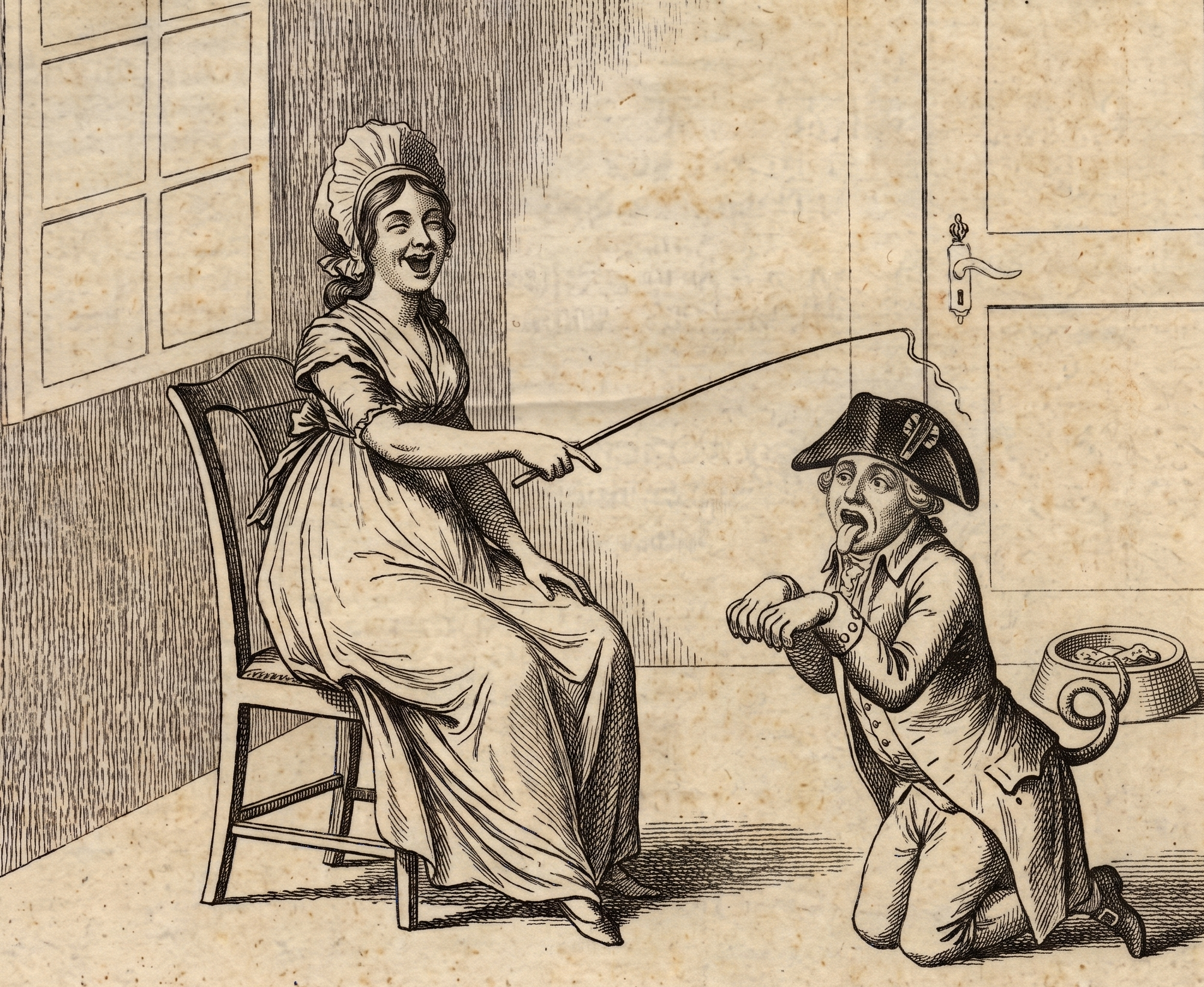
Erotic humiliation is a deeply misunderstood yet highly common psychosexual dynamic where an individual experiences sexual arousal, emotional intimacy, or psychological release from being consensually teased, "humbled", or treated as "lesser" within a controlled, safe environment. Far from being a form of abuse, it is a collaborative performance. It uses role-play, "dirty talk", or specific power imbalances to create an intense psychological charge, transforming everyday social taboos into an engine for profound pleasure and connection.
My View: Erotic humiliation is not a betrayal of your self-worth or your values. It is often a courageous attempt to bring your most vulnerable, hidden parts into a relationship to be seen and desired. In my therapy, we do not look to eliminate the "charge" of this kink. Instead, we work to remove the "shame hangover", helping with the integration of this what this fantasy is asking so you can navigate the boundary between erotic danger and emotional safety.
-
My current working model views erotic humiliation as a sophisticated way the psyche attempts to process and “hold” difficult early experiences. It is often less about the act of degradation and more about the transformation of shame.
The Internalised "Bad" Belief: Often, our relationship with humiliation begins in childhood. We may develop "negative" or "bad" beliefs about ourselves - feelings of being inherently flawed, "too much," or unworthy. These beliefs often stay buried in the subconscious, creating a sense of isolation.
Finding a Voice through Eroticism: In adulthood, these early beliefs seek a way to be expressed rather than suppressed. Erotic humiliation provides a theatre where these "bad" parts of ourselves can finally be spoken aloud.
Being "Held" in Connection: The magic of this model is that when these negative beliefs are played out in a consensual, erotic container, they are met with the partner’s presence, desire, and acceptance. Instead of being rejected for being "bad," you are desired within it. This allows the shame to be "held" by another, transforming an isolating childhood wound into a shared, connecting experience.
-
Yes, it is entirely normal and a well-documented aspect of human kink and BDSM. While society often views humiliation as purely negative, psychological studies published in The Journal of Sexual Medicine show that BDSM practitioners frequently score higher on measures of subjective well-being and emotional stability compared to non-practitioners (Connolly, 2006). When practised safely and consensually, it is a powerful, healthy tool for self-exploration and radical intimacy.
Connolly, P. H. (2006). Psychological functioning of BDSM practitioners. The Journal of Sexual Medicine, 3(5), 793-799.
-
Rather than indicating that someone is "broken" or seeking genuine degradation, the desire for erotic humiliation is a creative and sophisticated way the psyche processes intimacy and stress. Clinicians look at several key models to understand this dynamic:
The Relational Integration of Early Beliefs: Psychodynamic theory suggests that many of us carry subconscious negative self-beliefs from childhood, such as feelings of being flawed, unworthy, or "too much". Erotic humiliation provides a safe theatre where these buried parts can finally be spoken aloud. When a partner meets these "bad" parts with active desire and acceptance rather than rejection, the old shame is held and transformed into deep relational connection.
The "Holiday from the Self" (Status Inversion): Research into the demographics of kink reveals that this dynamic is incredibly common among high-achieving, responsible, or hyper-competent individuals (Wignall & McCormack, 2017). Carrying the weight of perfection in daily life is exhausting. Being consensually lowered or stripped of status provides a profound cathartic release, offering a temporary holiday from the pressures of maintaining an ego.
The Shame-to-Pleasure Bridge: The human brain is capable of eroticising difficult emotions. By intentionally bringing feelings of vulnerability or exposure into a highly aroused, safe container, the brain can transmute that social anxiety into intense physical and emotional pleasure, effectively taking the "teeth" out of shame (Kleinplatz & Moser, 2006).
Kleinplatz, P. J., & Moser, C. (2006). Politics and psychopathology: The paraphilias and DSM-IV. Journal of Psychology & Human Sexuality, 17(3-4), 1-13.
Wignall, L., & McCormack, M. (2017). The demographics of BDSM in the UK: An exploration of practitioners' characteristics. The Journal of Sex Research, 54(4-5), 486-497.
-
A major source of confusion for clients is why explicit communication or a partner being "too nice" can act as a passion killer. For many, the erotic charge relies entirely on the illusion of a partner who is ruthless, uncaring, or emotionally cold.
Because consent equals care, open negotiation or visible concern during a scene can act as a libidinal diffuser, breaking the immersion of the fantasy. This is why these experiences are frequently kept discreet or "underground". Avoiding lengthy verbal negotiations right before play keeps the ruthless persona intact, allowing the experience to feel raw and un-sanitised by the softening effects of everyday kindness.
-
In a sex-positive framework, we bridge this gap by separating Actual Consent from the Aesthetic of Non-Consent. Partners can pre-negotiate the rules, boundaries, and safe words hours or days in advance. Once the boundary is "baked in" and safety is established in the background, both partners are free to inhabit their roles fully. This allows the dominant partner to play the ruthless persona completely, while the submissive partner safely surrenders to the scene.
-
Because erotic humiliation targets emotional vulnerability rather than the physical body, safety revolves entirely around psychological risk management and preventing emotional harm:
Establishing the "Hard Stop": Humiliation scenes often rely on dirty talk, teasing, or playing with social taboos. Partners must establish absolute non-negotiable boundaries ("hard limits") before the scene starts. Topics such as actual body insecurities, trauma history, or family members should usually be placed off-limits to prevent genuine psychological distress.
Separating Fantasy from Reality: Both partners must maintain a clear distinction between the performance of humiliation during play and their actual feelings for one another outside the scene. When the scene ends, the harsh persona must be dropped immediately.
Structured Aftercare: Psychological humiliation scenes require intentional aftercare. The dominant partner should provide warmth, verbal reassurance, and affection once play concludes to help ground the submissive partner and reaffirm their value in the relationship.



Feet
-
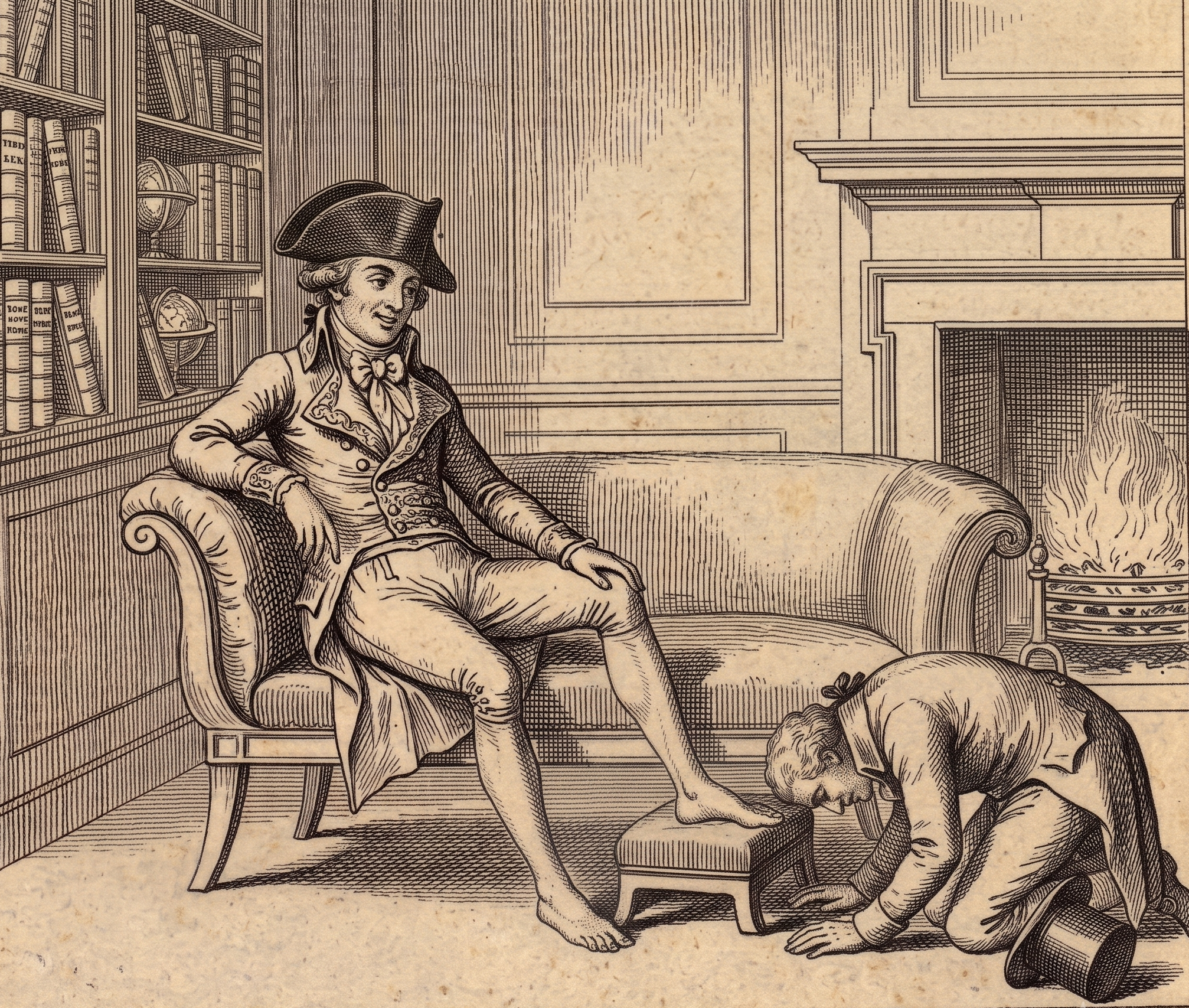
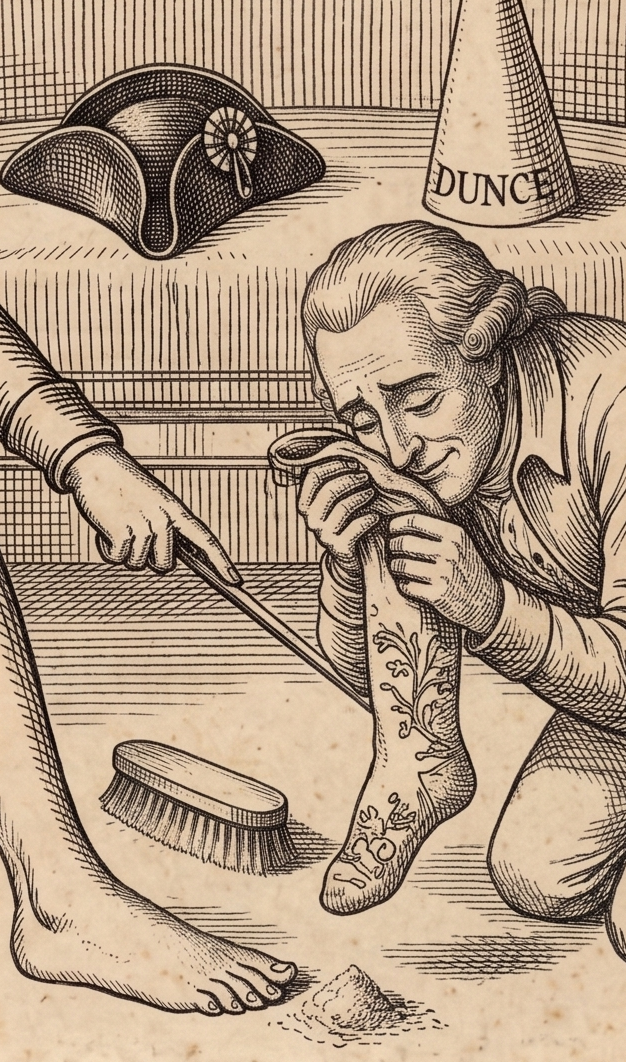
A foot fetish, known clinically as podophilia, is a highly common and completely natural sexual variation where an individual experiences attraction, arousal, or deep intimacy through feet, toes, ankles, or footwear. Within a sex-positive framework, we view this interest as a beautiful aspect of human diversity. For some, feet are a playful addition to their sexual repertoire; for others, they are a central pillar of their erotic identity and a powerful source of pleasure.
-
Not only is it entirely normal, but research consistently demonstrates that podophilia is the most common erotic interest involving non-genital body parts (Scorolli et al., 2007). Far from being a flaw or a quirk that needs "fixing", modern psychosexual therapy celebrates it as a healthy, harmless expression of desire. Embracing your attraction to feet is a step toward sexual self-acceptance and a richer, more authentic intimate life.
Scorolli, C., Ghirlanda, S., Enquist, M., Zattoni, S., & Marzoli, D. (2007). Relative prevalence of different fetishes. International Journal of Impotence Research, 19(4), 432-437.
-
While they regularly complement each other in sexual play, they represent different, equally valid erotic focuses:
Foot Fetish (Podophilia): The primary source of pleasure is the anatomy, texture, or movement of the foot itself, such as the arches, soles, or toes.
Shoe Fetish (Retifism): The primary erotic focus is the footwear itself, such as high heels, boots, or trainers, or the specific way a shoe frames, constricts, or highlights the foot.
-
Rather than looking for a "cure" for something that isn't broken, clinicians and sex researchers study the fascinating ways our minds and bodies map pleasure. An interest in feet usually develops through a combination of unique pathways:
Neurological Synergy (Signal Crossing Theory): In the brain's somatosensory cortex, the area that processes sensations from the feet and toes is situated immediately adjacent to the area that maps the genitals. During moments of high intimacy, these neural pathways can naturally overlap and share signals. This close wiring means your body can register foot stimulation as a direct, deeply felt extension of genital pleasure.
The "Phantom Limb" Evidence: Powerful support for this neurological crossover comes from the landmark research of neuroscientist V.S. Ramachandran. In his studies of phantom limb syndrome, he documented individuals who had lost a foot but still felt tactile sensations in that missing limb, with some even experiencing sexual climax in their phantom foot during intimacy (Ramachandran, 1998). This happens because the brain's foot map remains highly active right next to the genital pathway. In a person with a foot fetish, a similar neural crossover occurs, just without a missing limb.
The Power of Association (The Conditioning Model): The human brain is an incredible pattern-matching machine. Based on classical conditioning models, if feet were present during your early moments of sexual discovery or puberty, your brain may have taken a cognitive snapshot, linking that visual to intense pleasure. Through fantasy and repetition, this neural bridge is reinforced, beautifully programming a unique pathway to arousal.
Early Visual Blueprints (The Love Map): Renowned sexologist John Money introduced the concept of the internal "Love Map" to explain how early life experiences shape adult orientation (Money, 1986). Developmental research suggests that during a sensitive window in early childhood, our minds act like sponges, absorbing snapshots of our immediate environment and the traits of caregivers. If you grew up around individuals who frequently walked barefoot, your evolving attraction system may have seamlessly woven that visual trait into your adult blueprint for what feels safe and attractive.
The Olfactory Theory and Pheromones: Feet possess a higher concentration of sweat glands than almost any other part of the body. From an evolutionary perspective, sweat is a key carrier for pheromones, which communicate deep biological compatibility. Recent research in journals like BMC Psychology highlights that human mating strategies are heavily influenced by how we prioritize olfactory cues (Bendas et al., 2021). Rather than being purely visual, an interest in feet may be driven by a primal, biological search mechanism designed to sniff out the right genetic chemistry.
The Allure of Playful Transgression: Culturally, feet are often designated as the lowest part of the body, associated with being bare or unclean. Sociological research into kink shows that the sexual charge of a fetish is often directly proportional to the level of social taboo attached to it. Eroticising a part of the body that society deems base creates a thrilling psychological tension. Releasing that tension through consensual play turns a social taboo into a source of profound sexual empowerment.
Bendas, J., Hummel, T., & Croy, I. (2021). The partner’s body odour as a predictor of sociosexual orientation. BMC Psychology, 9(1), 1-10.
Money, J. (1986). Lovemaps: Clinical Concepts of Sexual/Erotic Health and Pathology, Paraphilia, and Gender Transposition in Childhood, Adolescence, and Maturity. Irvington Publishers.
Ramachandran, V. S. (1998). Phantoms in the Brain: Probing the Mysteries of the Human Mind. William Morrow & Co.
-
In psychosexual dynamics, feet serve as a profound symbolic language that allows partners to explore trust, vulnerability, and power exchange:
For Submissives (Symbolic Lowering): Adoring or worshipping a partner's feet is a beautiful act of devotion. It allows you to step out of the heavy demands of daily life, surrender your status, and find a deep, therapeutic sense of psychological safety in your partner’s presence.
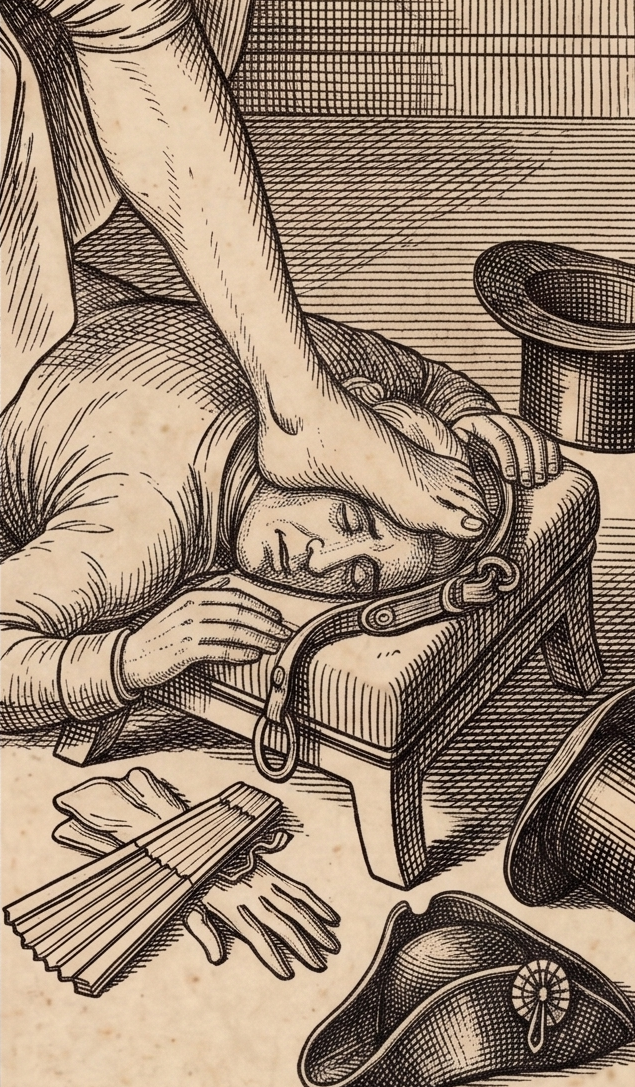
For Dominants (Status Elevation): Having your feet worshipped may allow you to step into your power fully. It provides a mental shift where you are placed on a pedestal, validating your erotic authority and role within the dynamic without needing to utter a word.
-
While foot play is physically low-risk compared to high-impact kinks, maintaining safety involves a combination of hygiene, physical care, and psychological boundary-setting:
Hygiene and Skin Integrity: Ensure the skin of the feet, soles, and toes is free from open wounds, fungal infections, or sharp nails that could cause skin tears during friction, stepping, or oral contact.
Managing Weight in Trampling or Stepping Play: If play involves standing, walking, or placing weight on a submissive partner, clear boundaries must be set beforehand. The dominant partner must ensure weight distribution is controlled and avoid vulnerable body structures like the neck, throat, abdomen, or spine.
Consent around Bodily Fluids: If foot worship includes licking, sucking toes, or sweat-focused play, both partners should communicate their boundaries regarding bodily fluids and personal hygiene beforehand to ensure comfort and mutual enthusiasm.
-
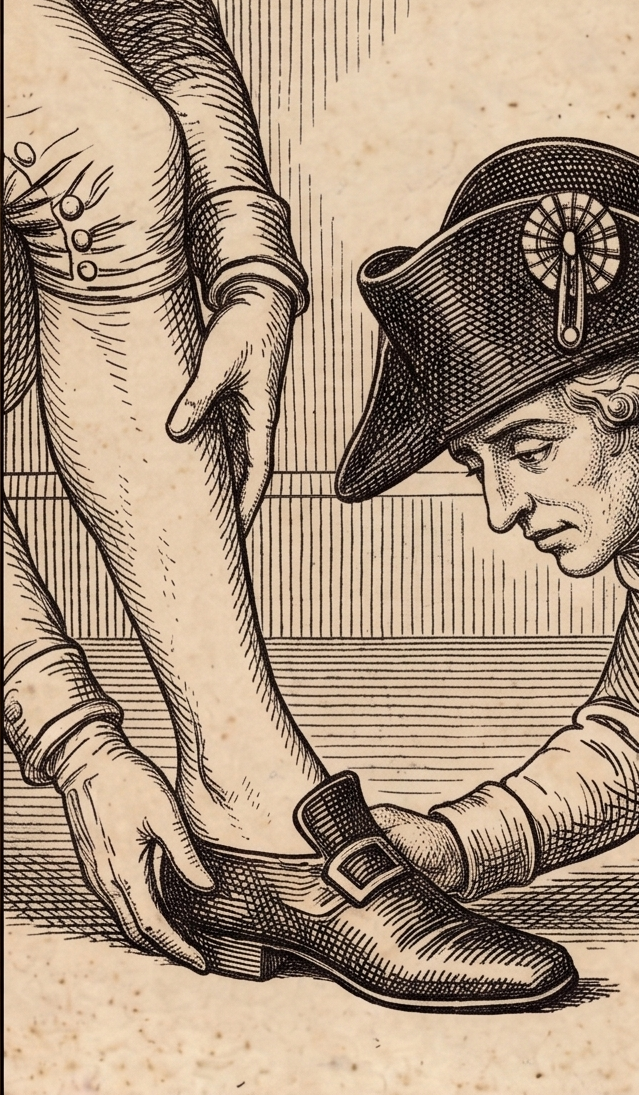
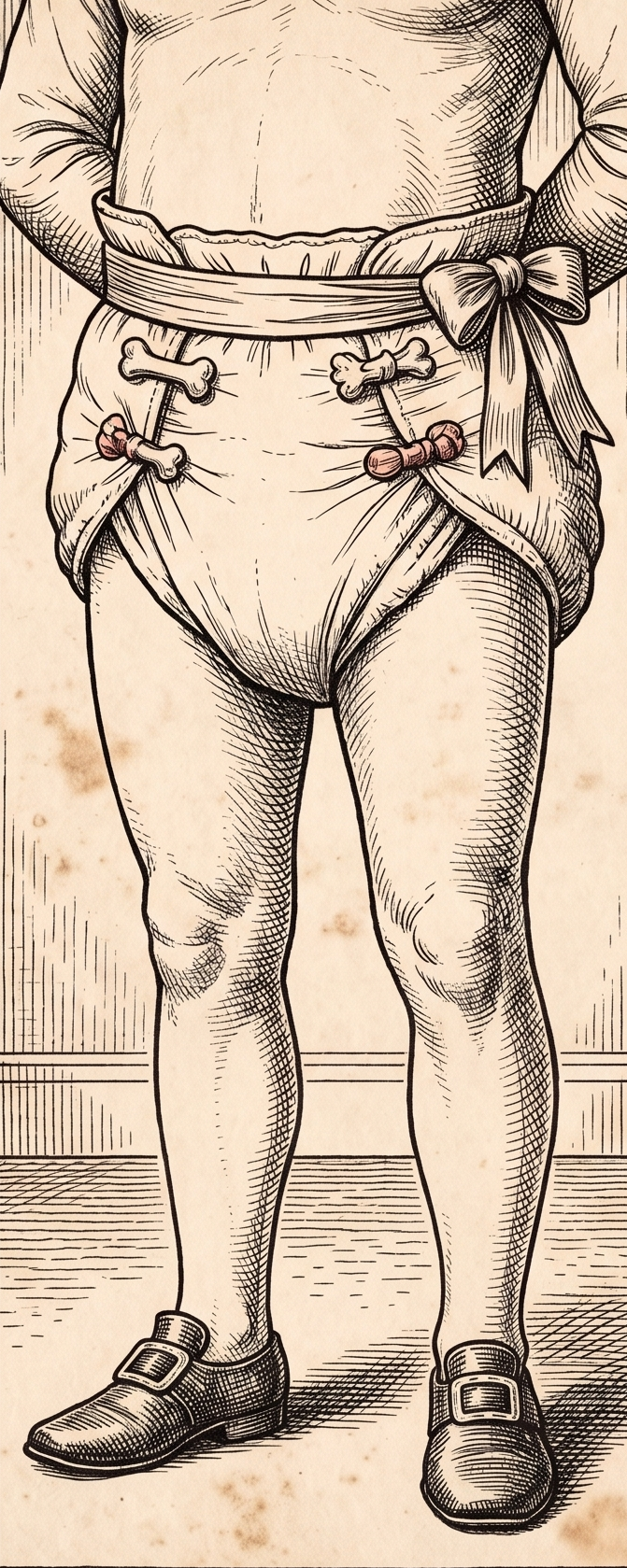
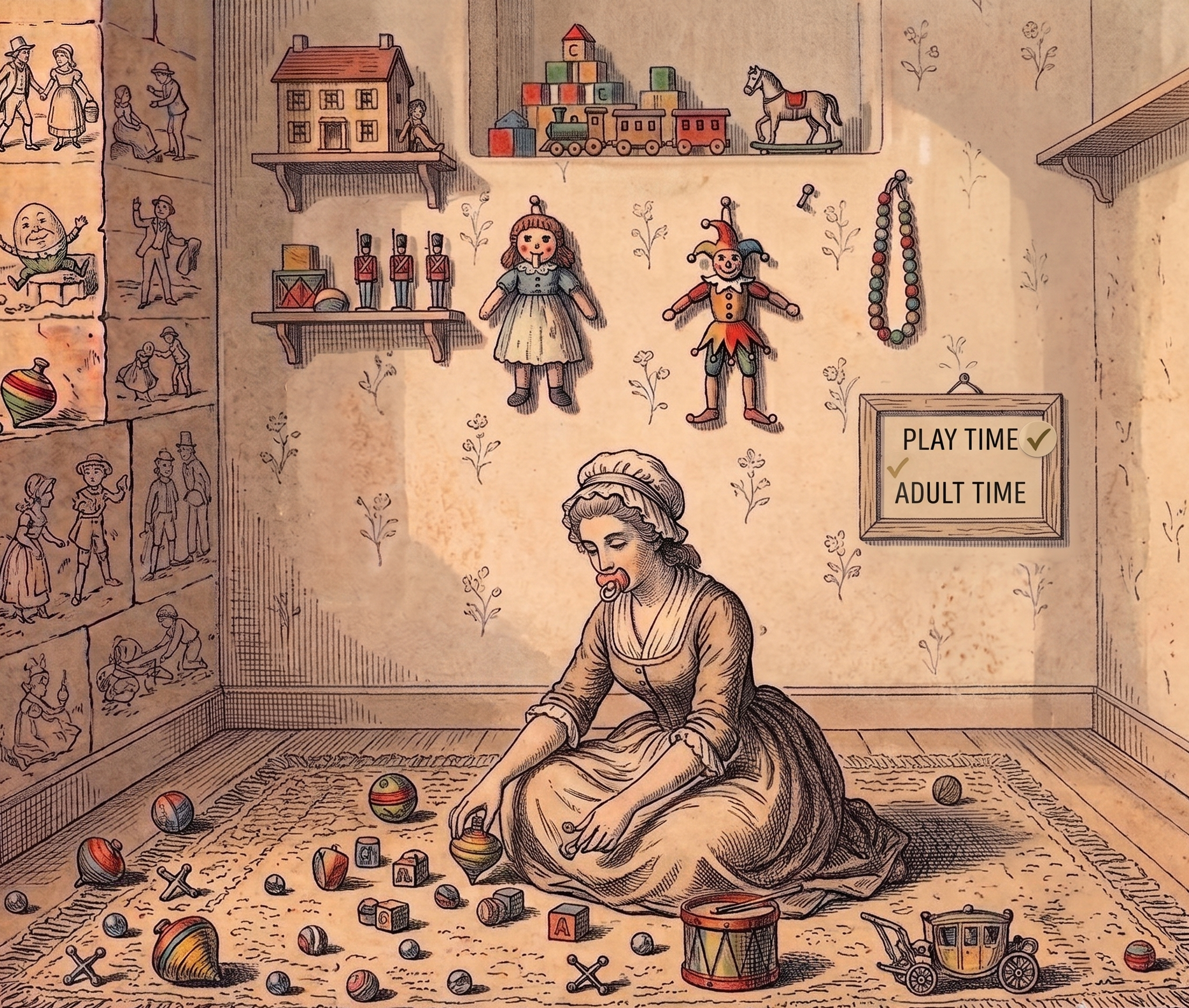
Ageplay is a consensual form of psychological role-play where adults step outside their chronological age to explore dynamics of care, vulnerability, or authority. Within the BDSM and kink community, participants often adopt roles such as a "Caregiver" (often using terms like Daddy or Mommy) or a "Little". Rather than being a fixed identity, contemporary sexology views it as a fluid space where individuals shift between roles to explore different affective intensities. It exists on a broad spectrum, ranging from purely non-sexual, therapeutic emotional regression to explicit erotic fantasies.
Lewis, Dr. (2011). Ageplay: An adults only game. Counselling Australia. 11.
-
Yes. Despite the widespread social taboos and the tendency for outside observers to pathologise the dynamic, clinical literature and qualitative studies demonstrate that ageplay is a structured, healthy variation of adult play. It is common for individuals to keep these practices entirely private due to societal misunderstanding. However, professional psychologists do not equate adult consensual ageplay with paraphilic disorders, viewing it instead as a sophisticated mechanism for relaxation, stress relief, and intimacy.
Tiidenberg, K., Paasonen, S. Littles: Affects and Aesthetics in Sexual Age-Play. Sexuality & Culture 23, 375–393 (2019). https://doi.org/10.1007/s12119-018-09580-5
-
Far from indicating developmental stagnation, researchers study ageplay through several valid empirical and clinical frameworks:
The Attachment and Co-Regulation Model: From a relational perspective, regression is often an exploration of attachment styles. For individuals with high daily anxiety or hyper-vigilance, entering a childlike "headspace" allows the nervous system to co-regulate with a trusted partner. By temporarily surrendering the burdens of adulthood, the individual can experience the profound psychological safety of unconditional care.
The Cognitive Escape Theory: Academic research into the subculture highlights that many practitioners use regression as an intentional form of cognitive relief. Immersing oneself in childlike aesthetics or activities (often called age-dreaming or subspace) acts as a structural boundary that silences the analytical mind and temporarily rewrites or relieves everyday life pressures.
The Non-Erotic vs. Erotic Split: Comprehensive studies confirm that for a significant portion of the community, childhood role-play and regression are entirely non-sexual coping mechanisms used to process stress. For others, the playful inversion of authority figures serves as a highly charged source of adult erotic pleasure.
Lewis, Dr. (2011). Ageplay: An adults only game. Counselling Australia. 11.
-
Absolutely not. Despite the persistent cultural myths, consensual adult ageplay does not perpetuate age-based attraction or minor attraction. It is a fundamental truth of psychosexual therapy and kink culture that consent and being of legal age are vital, non-negotiable prerequisites for any participation in this style of play. The clinical and academic consensus is clear: adult consensual role-play exists entirely within an adult container, utilising the concept of roles to explore power exchange, stress relief, and vulnerability. It has zero connection to paraphilic disorders involving minors, and it is crucial that the narrative associating ageplay with minor attraction be entirely eliminated.
-
Individuals who engage in ageplay are incredibly misunderstood, frequently finding themselves unrightfully and relentlessly inundated with pathologising and deeply upsetting messages from a society that misinterprets their private, consensual coping mechanisms. This intense social stigma can lead to severe isolation, internalised shame, and relational anxiety. In a sex-positive framework, we recognise that the fear and backlash surrounding ageplay stem from a lack of education and a societal inability to separate the aesthetic of a fantasy from real-world harm.
-
Because age play carries significant social taboo, opening up to a partner requires patience, clarity, and reassurance:
Explain the "Why": Focus on the emotional benefits rather than just the props or scenes. Explain that the dynamic helps you feel safe, cared for, or relieved of daily stress.
Clarify the Adult Nature: Reassure your partner that this is a consensual role-play dynamic between two adults who care about each other, designed to enhance trust and intimacy.
Start Small: Offer low-stakes entry points, such as verbal pet names, cuddling while watching a favorite childhood film, or asking for gentle caretaking when you feel overwhelmed, before introducing more structured scenes or props.
-
Maintaining safety in age play centers on protecting psychological vulnerability, maintaining clear reality testing, and enforcing strong boundaries:
Establish Clear "Out-of-Character" Signals: Because age play often involves adopting a younger or submissive persona, partners must have unambiguous, adult safe-words or gestures that immediately pause or stop the scene and bring both individuals back to an equal, adult baseline.
Manage "Drop" and Emotional Vulnerability: Regressing to a vulnerable state can leave an individual feeling raw or exposed after a scene ends. Structured aftercare—such as warm tea, verbal reassurance from the caregiver, and a gradual transition back to adult roles—is essential.
Keep Boundaries Grounded in Reality: Both partners must ensure that adult responsibilities (such as work, finances, and real-life consent) are never compromised by the role-play. The scene must remain a conscious, temporary container.


Ageplay
Sensory Play

-
Sensory play involves intentionally altering, restricting, or overwhelming one or more of the five senses to create heightened psychological and physical arousal. This can range from Sensory Deprivation (using blindfolds, noise-cancelling headphones, hoods, or floatation environments to shut down external input) to Sensory Overload (using intense light, complex textures, temperature, or rhythmic sound to flood the senses). Within a psychosexual framework, sensory play is a versatile tool used to alter perception, deepen vulnerability, and quiet the analytical mind.
-
It is entirely normal and grounded in how the human nervous system processes stimulation. Research into BDSM dynamics demonstrates that modifying sensory input is one of the most effective ways practitioners achieve altered states of consciousness and deep emotional intimacy (Sagarin et al., 2009). Rather than being a sign of distress, restricting or flooding the senses allows individuals to temporarily step out of everyday cognitive processing and drop fully into physical presence.
Sagarin, B. J., Cutler, B. J., Cutler, N. L., Lawler-Sagarin, K. A., & Matuszewich, L. (2009). Hormonal changes and couple bonding in consensual sadomasochistic activity. Psychoneuroendocrinology, 34(6), 855-867.
-
While sensory deprivation creates quiet, sensory overload creates a "cacophony" that produces a similar therapeutic end result: the quietening of the analytical ego.
For hyper-vigilant or highly anxious individuals, trying to sit in quiet deprivation can sometimes cause internal anxiety. Sensory overload—such as intense impact play, loud music, or rapid, varied tactile sensations—floods the nervous system so completely that the brain cannot process background stress or self-criticism. The mind is forced to abandon intellectual control and exist entirely in the "here and now."
-
Because sensory play directly targets the nervous system, clear communication is essential to prevent a transition from pleasure into genuine panic or disorientation.
Establishing Baseline Safety: Before restricting sight or sound, negotiate clear non-verbal safe-words or physical cues (such as dropping a small object or squeezing a partner's hand twice) in case speech is restricted by a bit, hood, or emotional overload.
Gradual Pacing: Start by removing or adding a single sense at a time—such as a simple blindfold during touch—before combining multiple forms of restriction.
Dedicated Aftercare: Returning to normal sensory baseline requires time. After a sensory scene, partners should engage in grounding aftercare, such as weighted blankets, warm fluids, gentle vocal reassurance, and slow touch, to help the nervous system recalibrate smoothly.
-
Altering or restricting the senses can trigger sudden anxiety or panic if not managed with care:
Non-Verbal Safe Cues: If sensory play involves gagging, hoods, or noise cancellation where speech is restricted, establish a non-verbal safe signal. A common method is giving the submissive a small object (like a bell or stress ball) to drop, or using a double-tap hand gesture to signal "stop".
Mobility and Environment: When a partner is blindfolded or visually restricted, ensure the immediate physical environment is free from sharp edges, tripping hazards, or hot surfaces. Never leave a sensory-deprived partner unattended.
Monitoring the Nervous System: The dominant partner must pay close attention to breathing patterns, muscle tension, and skin temperature. If the submissive partner shows signs of dissociation, hyperventilation, or genuine panic, the scene should end immediately, followed by gentle, grounding contact.
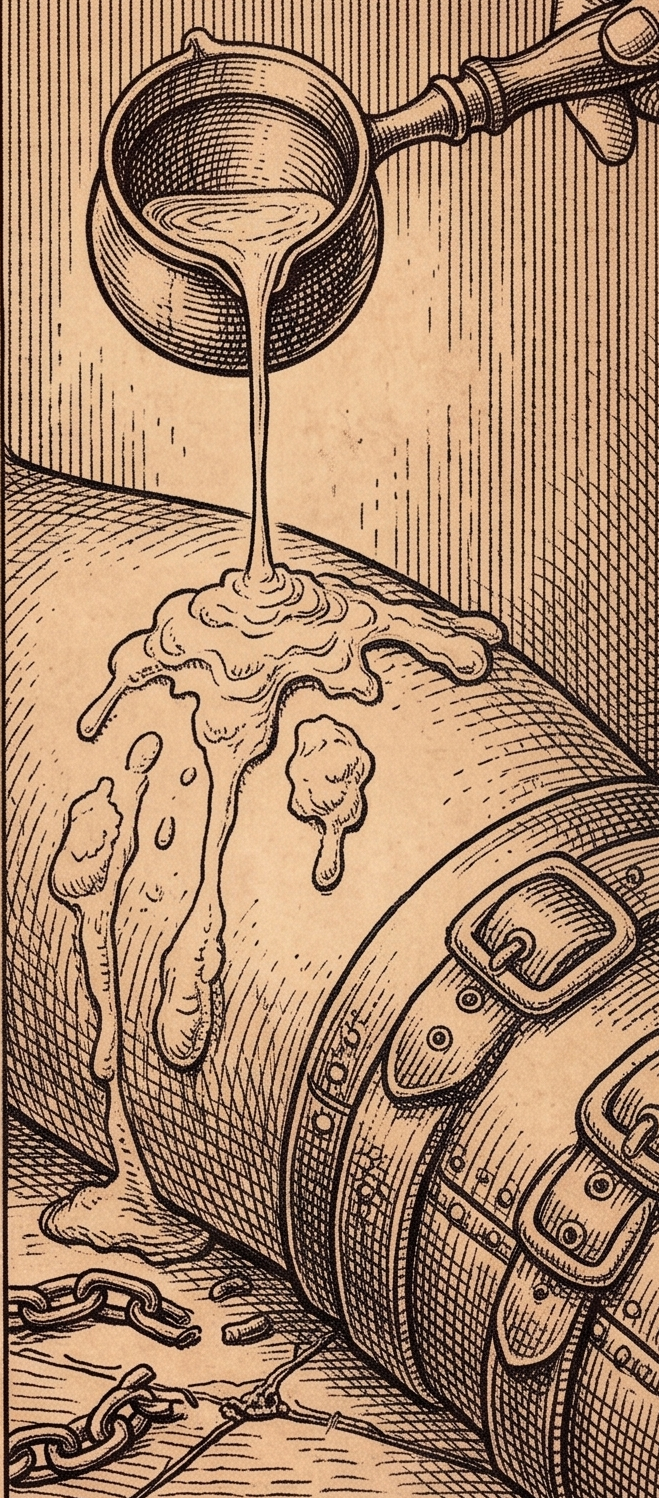



Armpits
-
An armpit fetish, clinically known as maschalagnia, is a common variation of human erotic expression where an individual derives sexual arousal, comfort, or intimacy from the armpits. This can involve visual appreciation, touching, kissing, licking, or smelling the underarm area, as well as incorporating the armpits into broader intimate dynamics such as body worship or sensory play.
-
Yes, it is entirely normal. While mainstream culture often promotes heavily sanitised and hairless bodily ideals, human desire is deeply connected to sensory and biological signals. Modern sexology recognizes that attraction to non-genital body parts is a widespread and healthy aspect of human sexuality. Wanting to engage with a partner's armpits reflects a desire for visceral, unfiltered intimacy rather than an abnormal preference.
-
Research in evolutionary biology, olfaction, and neuroscience reveals several biological mechanisms that explain this attraction:
Olfactory Chemistry and Pheromones: The armpits contain a high concentration of apocrine sweat glands, which produce unique chemical compounds, lipids, and natural scents. Olfactory processing in the brain is directly linked to the limbic system, the region responsible for emotion, memory, and sexual arousal. For many, the natural scent of a partner acts as a powerful biological trigger for arousal and deep comfort.
Tactile Sensitivity and Warmth: The underarm area is an erogenous zone packed with sensitive nerve endings, delicate skin, and natural body warmth. Engaging with this area creates an intense tactile feedback loop, making it a source of mutual physical pleasure during intimacy.
Sensory Grounding: In an era where digital interactions and artificial fragrances dominate, the raw, organic nature of the physical body provides a deeply grounding sensory experience. Engaging with a partner's natural physical markers can act as an immediate circuit-breaker for stress and over-thinking.
-
Because underarm play involves bodily scents and physical touch that sit outside mainstream scripts, open and sensitive communication is key:
Frame It as Sensory Intimacy: Introduce the idea away from the bedroom, explaining that your interest is about warmth, scent, closeness, and appreciating every part of their body.
Focus on Mutual Comfort: Respect that everyone has different comfort levels regarding body hair, sweat, and personal hygiene. Discuss what feels enjoyable for both of you, whether that means exploring after a fresh shower or leaning into natural, post-activity scents.
Start Gradually: Easing into underarm play during cuddling—such as resting your face near their shoulder, offering gentle kisses, or holding each other closely—allows both partners to gauge comfort levels before expanding into more explicit play.
Financial Domination
-
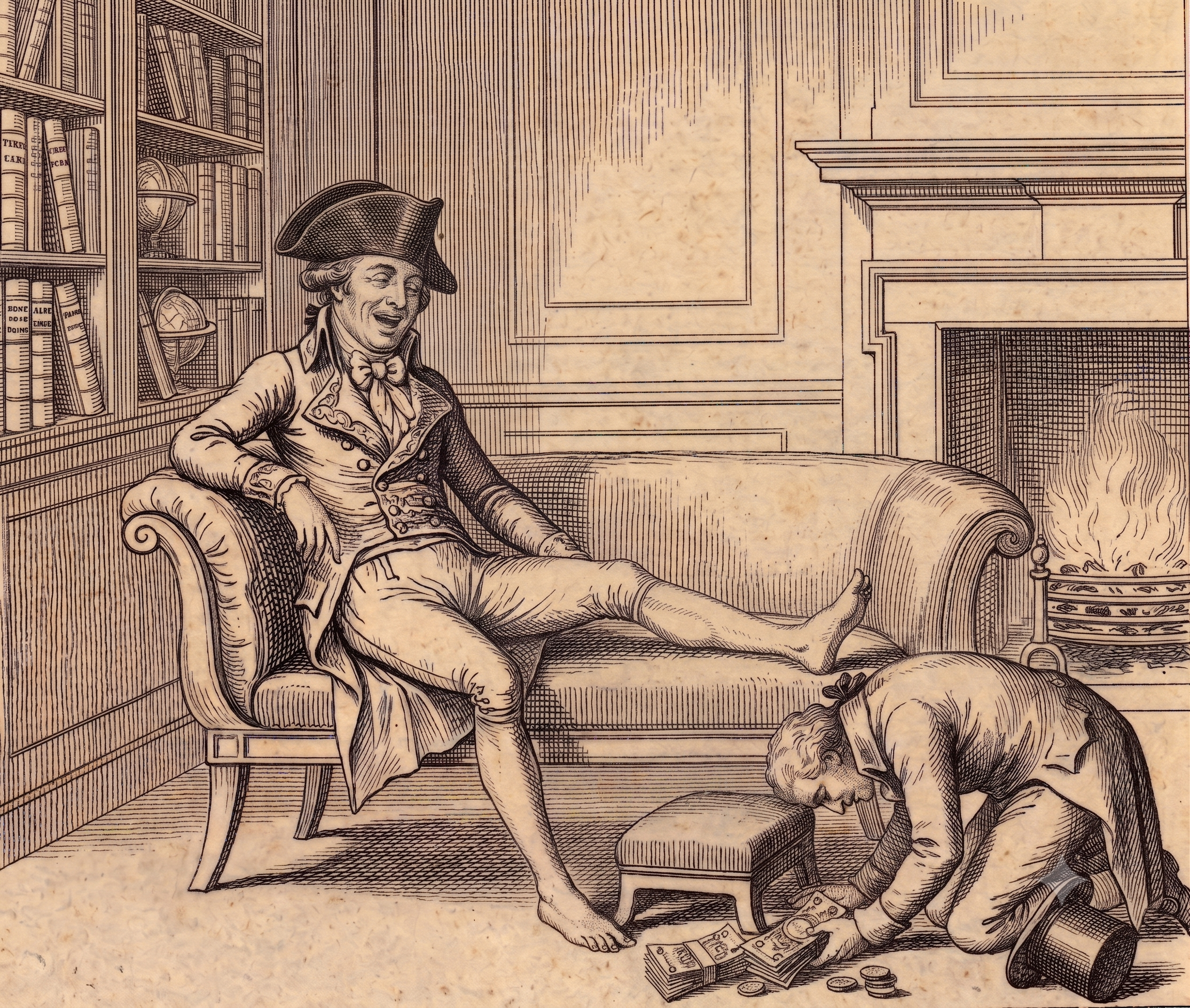
Financial Domination, commonly known as Findom, is a specific niche within BDSM, kink, and digital sex work where a submissive individual (often termed a "money slave," "finsub," or "pay pig") derives sexual or psychological gratification from giving money, gifts, or financial control to a dominant partner (a "money mistress," "findomme," or "cash master"). Rather than being an exclusively physical or sexual exchange, Findom is a highly psychological, cyber-mediated dynamic where capital serves as the primary erotic medium. In a sex-positive, destigmatising framework, clinicians and researchers view this as a unique, legitimate variation of commercial erotic labour and power exchange focused on the relinquishing of control.
-
Yes, it is a well-documented aspect of contemporary digital erotic culture. Academic sexology and netnographic research show that Findom exists on a broad continuum, ranging from a BDSM lifestyle choice that offers financial perks to a purely economic form of commercial labour. While society often views money strictly through the lens of survival and logic, psychosexual research demonstrates that anything tied to power, status, and security can be eroticised. It functions as a consensual mechanism for pleasure and emotional release, provided it is managed with clear boundaries and does not cause real-world distress or financial jeopardy.
Section References:
Gündüz, U., Demirel, S. and Tombul, I. (2023) 'Exploring the concept of financial domination on social media: sentiment and text analysis on Twitter', Atlantic Journal of Communication, pp. 1–25.
McCracken, R. and Brooks-Gordon, B. (2021) 'Findommes, Cybermediated Sex Work, and Rinsing', Sexuality Research and Social Policy, 18(4), pp. 837–854.
-
Rather than pathologising the urge to send money, researchers study how the human mind maps value onto arousal:
The Dopamine "Drain" Sensation: From a neurobiological perspective, the high-stakes risk of financial loss triggers a powerful neurochemical response. Similar to physiological mechanisms observed in high-stakes risk-taking behaviours, the tension of transferring hard-earned resources (often termed a "wallet drain") activates reward systems in the brain, converting the act of loss into an intense dopamine rush.
The Psychological "Shedding" of Responsibility: Qualitative research indicates that the relationship in Findom can be exclusively psychological, focusing entirely on a prescribed period of total submission. For individuals who carry immense accountability in their daily lives, money represents the ultimate metric of adult pressure. Surrendering financial autonomy allows a cathartic release from hyper-vigilance, forcing a state of cognitive quiet.
Archetypal Power Inversion: Sociological and psychological models analyse how Findom frequently operates through inverted archetypes. The dominant partner embodies a demanding figure (a "sovereign queen" or "goddess"). This allows the submissive individual to experience a safe, symbolic regression, replicating a state of helpless dependence within a structured, consensual, adult container.
Sentiment and Emotional Foundations: Large-scale computational sentiment and text analyses of Findom social media interactions reveal that, despite the heavy use of degrading jargon (such as "loser" or "cash cow"), the underlying foundation relies heavily on relational emotions like trust, anticipation, and joy to maintain a sustainable dynamic between dominant and submissive parties.
Section References:
Chen, Y.W.R. (2022) 'Subversive or Not? Analysing the Findom in Heterosexual Intimate Relationships', International Journal of Taiwan Studies, 5(2), pp. 1–33.
Gündüz, U., Demirel, S. and Tombul, I. (2023) 'Exploring the concept of financial domination on social media: sentiment and text analysis on Twitter', Atlantic Journal of Communication, pp. 1–25.
McCracken, R. and Brooks-Gordon, B. (2021) 'Findommes, Cybermediated Sex Work, and Rinsing', Sexuality Research and Social Policy, 18(4), pp. 837–854.
-
A primary challenge with Findom is navigating the boundary between the fantasy of exploitation and the reality of ethical safety. For many submissives, the erotic charge relies on the illusion of a dominant partner who is cold, greedy, and unconcerned with their financial well-being. Because explicit negotiation or checking in gently communicates care, it can act as an instant libidinal diffuser, collapsing the fantasy of being genuinely used.
To bridge this gap safely, sex-positive research demonstrates how practitioners separate Actual Consent from the Aesthetic of Non-Consent. Findommes and clients implement strict safety frameworks beforehand, setting unalterable spending caps, hard limits, and safety buffers during calm, analytical headspaces. Once the safe container is locked in behind the scenes, both partners can fully inhabit their roles without the risk of real-world crisis or a subsequent emotional hangover.
Section References:
Gündüz, U., Demirel, S. and Tombul, I. (2023) 'Exploring the concept of financial domination on social media: sentiment and text analysis on Twitter', Atlantic Journal of Communication, pp. 1–25.
McCracken, R. and Brooks-Gordon, B. (2021) 'Findommes, Cybermediated Sex Work, and Rinsing', Sexuality Research and Social Policy, 18(4), pp. 837–854.
-
Because Findom involves real-world financial assets and high-stakes psychological dynamics, establishing strict physical, financial, and emotional safety parameters is essential for both dominant and submissive partners.
Establish Hard Budget Caps in Advance: Before entering an active scene or sending tributes, calculate a strict monthly or per-session limit during a calm headspace. This cap must never compromise your ability to pay for essential living expenses like rent, bills, food, or savings.
Separate Fantasy Funds from Core Capital: Use dedicated secondary accounts, pre-paid cards, or specific digital wallets strictly allocated for Findom. Never grant a partner direct access to primary bank accounts, credit lines, or joint financial assets.
Establish Clear Non-Financial Boundaries: Agree on hard limits regarding personal identity protection (preventing doxxing or blackmail), contact frequency, workplace boundaries, and third-party involvement before engaging in dynamic play.
Incorporate Regular "Reality Checks" and Aftercare: Even in dynamics that emulate cold exploitation, periodically step out of character in a pre-agreed manner to verify that both parties remain emotionally grounded, financially secure, and comfortable with the ongoing exchange.



Impact Play

-
Impact play is a popular aspect of kink and BDSM that involves intentionally striking the body using hands or specialised implements like paddles, crops, flogs, or canes. Within a sex-positive framework, impact play is understood as a consensual exploration of intense physical sensation and power dynamics. While outsiders might confuse it with violence, the internal experience is entirely different. It is a highly controlled, deeply connected practice where physical impact is used to achieve altered states of consciousness, emotional relief, or sexual gratification.
-
Impact play is a popular aspect of kink and BDSM that involves intentionally striking the body using hands or specialised implements like paddles, crops, flogs, or canes. Within a sex-positive framework, impact play is understood as a consensual exploration of intense physical sensation and power dynamics. While outsiders might confuse it with violence, the internal experience is entirely different. It is a highly controlled, deeply connected practice where physical impact is used to achieve altered states of consciousness, emotional relief, or sexual gratification.
-
The desire for impact play goes far beyond the physical acts themselves. It often functions as a sophisticated tool for body-mind integration and stress reduction. Clinicians look at several key models to explain this attraction:
The Sensation and Endorphin High: Biological research measuring blood markers in BDSM practitioners before and after scenes has shed light upon the rewarding biological mechanisms associated with these interactions (Wuyts et al., 2020). The data reveals that submissives receiving impact play experience a significant spike in endocannabinoids, which are the body's lipid-based pleasure and reward chemicals, alongside a rise in cortisol (Wuyts et al., 2020). When the scene ends, the physiological stress response transitions into a state of profound relaxation and euphoria (Wuyts & Morrens, 2022). This biological interplay effectively turns physical impact into an intense source of erotic pleasure and stress resolution.
The "Drop" and Cognitive Quiet: Many people carry an intense amount of mental noise, anxiety, or hyper-vigilance in their daily lives. Impact play forces an individual to drop completely into the present moment and into their physical body. A systematic review of BDSM biology confirms that these interactions trigger complex neurological responses involving brain regions linked to pain perception, empathy, and reward systems (Wuyts & Morrens, 2022). The intense focus required to process heavy sensation acts as a reset button for the brain. This process silences the analytical mind and offers a deep sense of psychological stillness, often referred to in the community as subspace.
The Transmutation of Emotional Weight: Just as with other kinks, impact can be a container to process abstract emotional pain, stress, or guilt. By converting vague, heavy emotional states into a tangible, temporary physical sensation that is safely managed by a trusted partner, the individual can experience a profound sense of emotional cleansing and release. Clinical data shows that a submissive individual's pain threshold temporarily rises during an active scene (Wuyts & Morrens, 2022), proving that the mind and body adapt to transform pain into a therapeutic, processing tool.
Wuyts, E., De Neef, N., Coppens, V., & T’Sjoen, G. (2020). Between Pleasure and Pain: A Pilot Study on the Biological Mechanisms Associated With BDSM Interactions in Dominants and Submissives. The Journal of Sexual Medicine, 17(4), 784-792.
Wuyts, E., & Morrens, M. (2022). The Biology of BDSM: A Systematic Review. The Journal of Sexual Medicine, 19(1), 144-157.
-
A common challenge in impact play is balancing the desire for raw intensity with the practical need for safety. For some, if the negotiation feels too mechanical or medical, it can diffuse the erotic tension.
The key is establishing a shared language before the scene begins. In sex-positive therapy, we look at how to build robust safety frameworks, such as using traffic-light systems or non-verbal cues, so that when the play happens, the analytical thinking can turn off completely, allowing the raw experience of sensation and surrender to take over.
-
Impact play is rarely just about the skin-to-object contact. It is a powerful dialogue of trust and vulnerability. Many reasons can exist but one could be:
For the Receiver: Surrendering your body to receive impact requires radical trust. It allows you to let go of control completely, trusting your partner to navigate your physical limits while keeping you emotionally safe.
For the Giver: Delivering impact requires immense presence, focus, and calibration. It is an act of holding space for your partner's intensity and vulnerability, validating your role as a grounding force in the dynamic.
-
Impact play carries inherent physical risks, making knowledge of anatomy and proper tool calibration essential:
Anatomical Safe Zones: Impact should generally be directed toward fleshier parts of the body with good muscle density, such as the buttocks or upper thighs. Avoid striking directly over the spine, kidneys, lower back, joints, or neck, as impact to these areas can cause severe internal injury or nerve damage.
Gradual Calibration: Always begin with light pressure or softer implements (such as hands or leather flogs) to gauge your partner's pain threshold and give the skin time to warm up. Only increase intensity incrementally.
Traffic-Light Communication: Implement a simple safe-word system—such as "Red" (stop immediately), "Yellow" (slow down/check in), and "Green" (continue)—so the receiver can communicate physical limits without breaking the flow of the scene.



Watersports/Piss Play

-
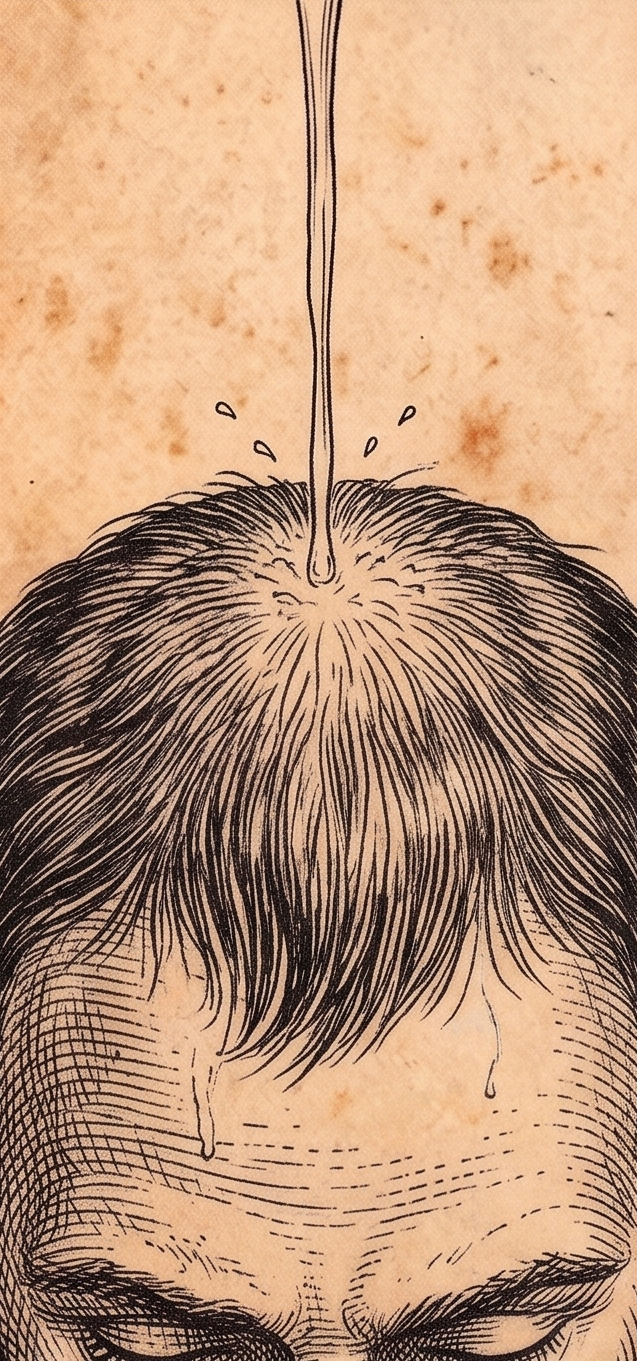
Watersports, commonly referred to as piss play, urination play, or clinically as urolagnia, refers to a range of consensual sexual practices involving urine. This can include arousal from watching someone urinate, urinating on or being urinated on by a partner (golden showers), urine retention play (omorashi), wearing urine-soaked clothing, or wet-bed role-play. Within a sex-positive psychosexual framework, piss play is viewed as an atypical yet harmless sexual variation where the sight, warmth, scent, or symbolic meaning of urine becomes a powerful engine for physical pleasure and psychological connection.
-
Yes, it is a recognised and established form of erotic expression. While society often attaches significant taboo to bodily fluids, community-based surveys reveal that piss play and urination play are well-documented dynamics within alternative sexuality, with over a third of BDSM practitioners reporting experience with them. Diagnostic frameworks, such as the ICD-11 and DSM-5, explicitly state that atypical sexual interests like urolagnia are not psychological disorders unless they cause significant distress, impairment, or involve non-consensual acts. When practised safely and consensually between adults, piss play is a healthy expression of erotic diversity.
World Health Organization. (2019). International Statistical Classification of Diseases and Related Health Problems (11th ed.; ICD-11).
-
Far from indicating a hygiene flaw or pathology, the desire for piss play and urination play develops through complex psychological, relational, and sensory mechanisms:
The Transgression and Taboo Charge: Sociological and psychological research into kink demonstrates that erotic charge is often directly proportional to the degree of social taboo surrounding an act. In most cultures, urination is strictly private and associated with waste. Consensually bringing a forbidden bodily fluid into an intimate space creates a powerful psychological tension. Crossing that boundary with a trusted partner converts social anxiety into an intense release of dopamine and erotic arousal.
Extreme Vulnerability and Power Dynamics: In power-exchange dynamics, urine serves as a potent symbolic language. For a submissive partner, allowing oneself to be urinated on can represent radical surrender, humbleness, or the shedding of ego. For a dominant partner, piss play can feel like an expression of complete ownership, claim, or erotic authority.
Sensory and Temperature Stimulation: The physical sensations of urination play—specifically the sudden contrast of warm fluid across cold skin—trigger an immediate response from the somatosensory cortex. This intense tactile input forces the brain into the present moment, similar to sensory play, quieting analytical self-consciousness and heightening physical awareness.
Conditioning and Early Associations: Behavioural psychology suggests that urolagnia can emerge through early conditioning. If accidental bladder release, warmth, or viewing urination occurred alongside early moments of sexual curiosity or intense emotional intimacy, the brain may have forged a neural bridge linking urine-related sensory cues directly to arousal.
-
Because piss play carries a strong social stigma regarding hygiene, opening a conversation requires sensitivity, patience, and clear reassurance:
Focus on the Emotional and Sensory Appeal: Explain why the idea turns you on (whether it is the appeal of warmth, the feeling of vulnerability, or the desire for power exchange) rather than focusing solely on the mechanics.
Reassure Them About Hygiene and Boundaries: Clarify that you care deeply about their comfort and clean boundaries. Frame it as something to explore safely and cleanly within a controlled setting (such as in the shower).
Start with Low-Stakes Entry Points: Suggest exploring urination play initially in the shower, where clean-up is immediate and seamless, before considering play on beds or towels.
-
While urine from a healthy individual is generally low-risk, safety in piss play involves managing biological, physical, and psychological risks:
Infection Risk and Ingestion (Urophagia): While urine is typically sterile in the bladder of a healthy person, it collects bacteria as it passes through the urethra. Swallowing large quantities of urine or engaging in urination play while a partner has an active Urinary Tract Infection (UTI) can introduce bacteria or excess salts into the digestive and systemic systems. Avoid ingestion if either partner has a known infection.
Protecting Eyes and Mucous Membranes: Urine can cause mild irritation if it enters the eyes or delicate mucous membranes. Keep clean water or saline nearby to flush the eyes if accidental contact occurs during piss play.
Safety in Bladder Control Play (Omorashi/Retention): If play involves urine retention (holding it in), partners must be cautious. Forcing a partner to hold their urine for extreme lengths of time can cause severe discomfort, overstretch the bladder muscle, and significantly increase the risk of urinary tract infections or kidney issues. Retention should always be bounded by reasonable physical limits.
Hygiene and Waterproof Preparation: Use dedicated waterproof sheets or medical-grade plastic covers if playing outside the shower to protect mattresses and furniture. Clean the skin thoroughly with mild soap and water after play to prevent skin irritation.


Primal Play

-
Primal play is a subset of BDSM, kink, and sensory exploration that strips away civilised social scripts, elaborate rules, and complex protocols in favour of raw, instinctive interactions. It often involves non-verbal dynamics such as wrestling, biting, growling, chasing, pinning, or territorial dominance and submission. Rather than relying heavily on formal gear like whips, ropes, or structured verbal commands, primal play focuses on direct physical contact, body weight, breath, and basic biological signals to express dominance and submission.
-
Yes, it is entirely normal to be interested in primal play. While society often conditions us to view adult intimacy through a quiet, polite, or highly civilized lens, human desire encompasses a vast spectrum of physical and emotional expression. Wanting to strip away polished social scripts in favour of raw, instinctual movement is a common and healthy variation of adult play.
There are several reasons why this desire is so widespread:
Mammalian Instinct: Evolutionary biology and developmental psychology recognise that rough-and-tumble play is a hardwired mammalian drive. Engaging in consensual physical struggle, grappling, and testing boundaries is a natural way humans build physical resilience, release tension, and deepen relational trust.
A Outlet for Somatic Stress: Modern daily life forces most people into a state of constant self-control and physical restriction. We suppress our natural "fight or flight" responses at work, in relationships, and in public spaces. Primal play provides a safe, consensual outlet to complete the somatic stress cycle, allowing the nervous system to discharge accumulated physical energy and achieve a state of deep relaxation afterwards.
Escaping the Over-Thinking Mind: For individuals who carry heavy intellectual responsibilities or struggle with anxiety and over-thinking during intimacy, primal play acts as an immediate reset button. Because the experience engages direct physical weight, breath, and tactile pressure, it forces your awareness entirely into the present moment, bypassing performance fears and intellectual chatter.
Safely Exploring Shadow Energy: From a depth psychology perspective, it is normal for the unconscious mind to hold parts of ourselves that feel too wild, intense, or aggressive for polite society. Primal play offers a secure, bounded container where these disowned parts can be brought into the light of a safe relationship without judgment or real-world harm.
Feeling drawn to primal play does not mean you are damaged, aggressive, or abnormal. Provided the dynamic is negotiated beforehand, built on enthusiastic mutual consent, and practiced within a safe container, it is a healthy, rewarding, and deeply bonding expression of human intimacy.
-
Primal play taps directly into fundamental neurobiological, evolutionary, and psychological mechanisms:
Rough-and-Tumble Play (RTP) and Dopamine: From an evolutionary perspective, rough-and-tumble play is a hardwired mammalian behaviour used to test boundaries, build physical resilience, and foster deep relational bonding. Engaging in consensual physical struggle releases a neurochemical surge of dopamine and endorphins, converting physical exertion and resistance into a deep sense of euphoria and pleasure.
Somatic Stress Discharge: Modern life forces us to constantly suppress our natural "fight, flight, or freeze" responses, trapping unexpressed physical energy inside the body. Primal play provides a safe, consensual outlet to complete the somatic stress cycle. Grappling, snarling, or resisting allows the nervous system to discharge accumulated tension, moving out of chronic hyper-vigilance and into a state of profound physical relaxation.
First-Person Visceral Immersion: Unlike reading a book or watching a scene from a third-person perspective, primal play demands absolute, immediate somatic presence. Because the experience engages tactile pressure, physical resistance, and instinctual movement, it completely bypasses the over-thinking mind. The brain cannot dwell on everyday anxieties or performance fears when it is fully anchored in a physical, visceral struggle.
-
Because primal play intentionally feels wild, unscripted, and intense, establishing a secure, pre-negotiated container beforehand is essential to ensure a positive experience:
Pre-Scene Calibration: Agreeing on physical boundaries, hard limits, target areas (avoiding sensitive regions like the neck, throat, or joints during heavy pressure), and claw or bite intensity before stepping into the dynamic.
Non-Verbal Safewords: Since primal play is often non-verbal or involves heavy breath control and muffling, established physical signals (such as a distinct double-tap on the partner's body, a specific hand gesture, or dropping a held object) are crucial to pause or stop the scene instantly.
Attuned Aftercare: The high physical intensity of primal play triggers a heavy sympathetic nervous system (fight or flight) response. Deliberate, grounding aftercare (such as warm blankets, gentle touch, hydration, and quiet cuddle time) is essential to help both partners transition back into a gentle, parasympathetic state of connection and recovery.
-
Communicating a desire for primal play requires transitioning from an internal fantasy into a clear, grounded conversation with your partner. Because primal dynamics can feel intense or unpredictable, laying a solid foundation of safety, clarity, and consent beforehand ensures that both of you feel comfortable exploring this space together.
Here is a practical, step-by-step approach to navigating this conversation:
1. Pick the Right Time and Space
Discuss It Away from the Bedroom: Bring up the topic during a neutral, calm moment when neither of you is distracted, stressed, or already in an intimate headspace.
Frame It as an Invitation, Not a Demand: Approach the conversation with curiosity and openness, giving your partner complete freedom to ask questions, process the idea, or express their own boundaries without pressure.
2. Demystify the Kink Using Clear Language
Primal play can sound intimidating if your partner imagines real-world violence. Frame it clearly as a consensual, playful, and somatic experience.
Define What It Means to You: Explain that primal play is about stripping away formal scripts to connect through raw, instinctual movement like wrestling, biting, pinning, or growling.
Explain the "Why": Share the positive feeling behind the desire. You might explain that you are looking for a visceral way to get out of your head, release stress, or experience a deep sense of presence and surrender with them.
Example Script:
"I’ve been reading about primal play, which is a type of kink focused on instinctual, non-verbal connection—things like consensual wrestling, pinning each other down, or playful biting. I’m drawn to it because it feels like a really grounding, primal way to get out of my head and connect with you. Is that something you’d be open to exploring or learning more about together?"
3. Establish Concrete Safety Boundaries
Because primal play often relies on non-verbal cues and body weight, setting clear safety parameters in advance builds the trust needed to let go during the scene.
Set Non-Verbal Safewords: Since primal play can involve muffled voices, breath control, or intense physical positioning, establish clear physical safewords. A common method is the double-tap (tapping your partner’s body twice in rapid succession) or dropping a held object to signal an immediate pause.
Define Off-Limit Areas: Clearly agree on physical limits beforehand, such as avoiding pressure on the throat, neck, spine, or joints, and establishing the acceptable intensity for bites or scratches.
Agree on an "Opt-Out": Reassure your partner that either of you can pause or stop the dynamic at any point without judgment or guilt.
4. Start Small and Build Gradually
You do not need to dive into an intense, full-scale scene immediately. Easing into primal elements allows both of you to gauge how your nervous systems respond.
Introduce Micro-Elements: Begin with low-stakes physical interactions, such as light playful wrestling on a carpet, gentle biting during everyday intimacy, or experimenting with body weight while pinned on the bed.
Check In Afterward: Dedicate time after your initial test to talk about how it felt. Discuss what was exciting, what felt uncomfortable, and what adjustments you want to make for next time.
5. Plan for Attuned Aftercare
Primal play activates a heavy sympathetic nervous system response (fight or flight). Knowing how you will both transition back into a calm, grounded state is a crucial part of the negotiation.
Discuss Recovery Needs: Agree on what kind of aftercare helps you both feel secure after high-intensity play, whether that means wrapping up in a warm blanket, sharing gentle touch, hydrating, or resting quietly together.